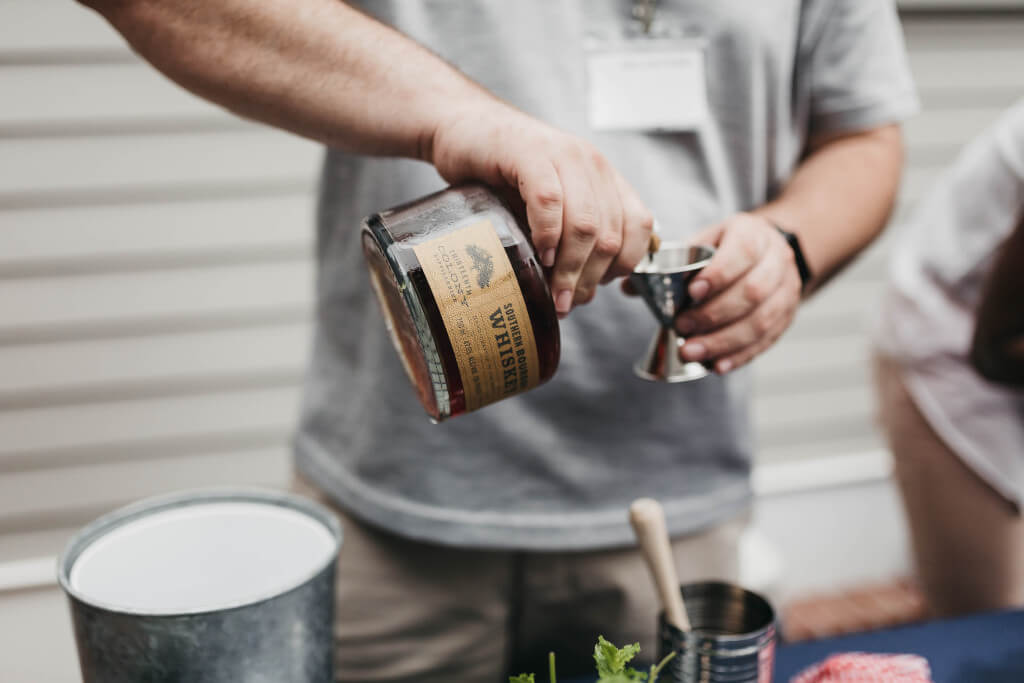

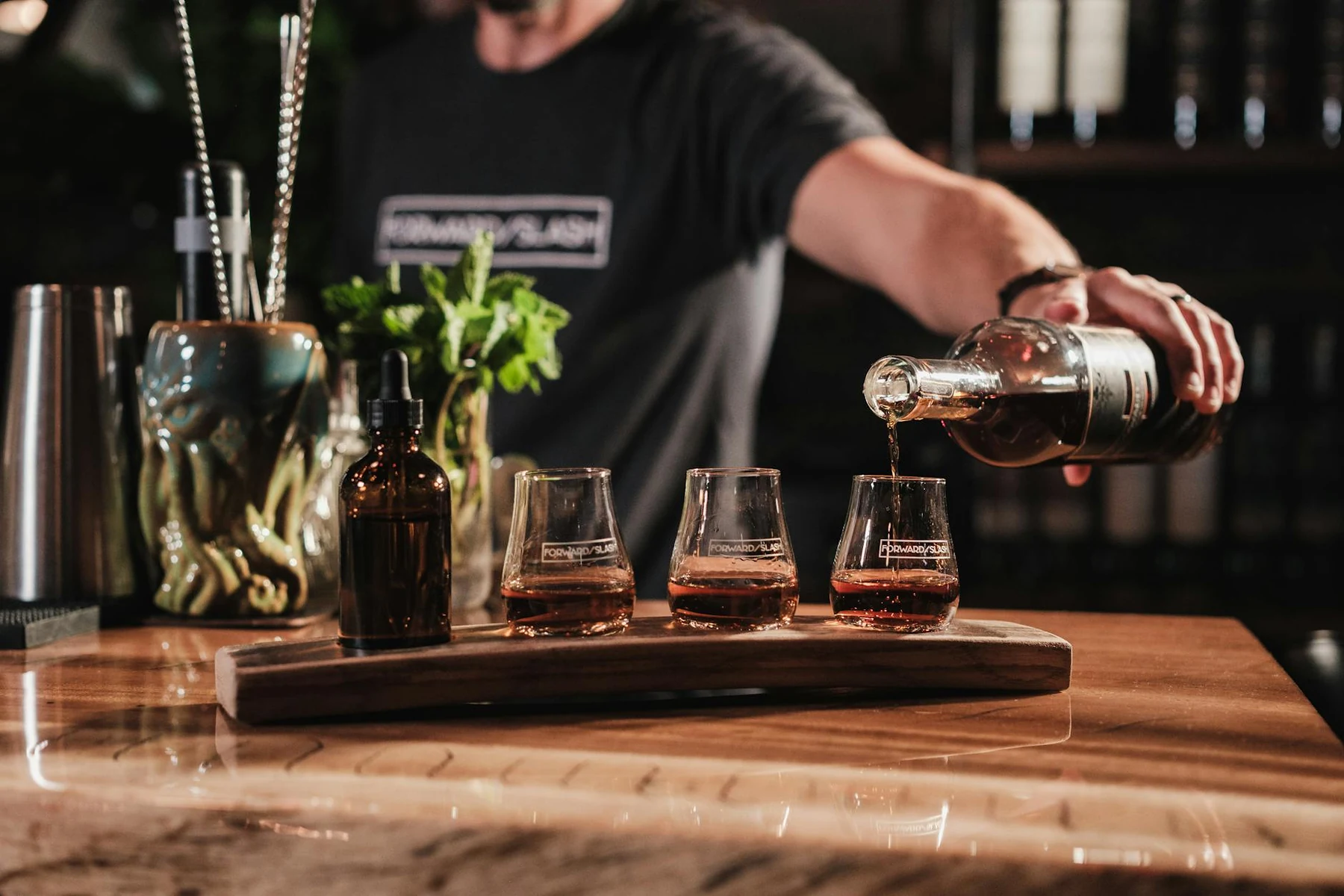
— — A new tasting room is opening in Ferndale, Washington, on June 5, and it gives whiskey fans a place to see how a sourced-and-finished brand works up close. The room belongs to Doc Swinson’s, whose first public tasting space, The Barrel Lab, is meant to show how blending, finishing, and barrel selection shape the whiskey in the glass.
For a company built on finishing, blending, and a fair amount of restless experimentation, the move fits. Doc Swinson’s has built a following among collectors, bartenders, and judges in 22 states, and until now it had no everyday front door for people who wanted to taste the work up close. The Barrel Lab pairs guided tastings with a closer look at sourced stock, rare barrels, and the kind of trial-and-error that drives the brand’s releases.
A public room for a private process
Doc Swinson’s has always been easier to understand once you can trace the path from barrel to bottle. The new tasting room is meant to make that path visible. Instead of treating whiskey as a finished object with a polished label and a few tasting notes, The Barrel Lab will let visitors see how the brand layers flavor through cask finishing, blending, and different maturation points.
That setup gives visitors a place to compare barrel influence, hear how the house style comes together, and decide what styles they prefer before committing to a bottle. It also gives newer drinkers a more forgiving entry point, especially if they are still learning the difference between a bourbon finished in sherry casks and one sent through a rum barrel before bottling.
Doc Swinson’s is not opening a museum display. The company describes the space as a working whiskey lab, which is the right framing for a brand that has built its identity on trial, adjustment, and the occasional sharp turn away from standard practice. For Portland-area whiskey drinkers who already follow the local distilling scene, that kind of space feels familiar in spirit if not in scale. It shares the conversational pace of a good festival seminar or a behind-the-bar whiskey discussion, but it is its own kind of visit.
Cask work
The core of Doc Swinson’s style is not just where the whiskey comes from, but what happens after the source whiskey arrives. The brand starts with American whiskeys, then reshapes them through finishing and blending in casks from outside the usual bourbon playbook. Caribbean rum barrels, Oloroso sherry casks, and Cognac barrels all show up in the company’s process, and those choices have helped produce more than 100 accolades.
That list of casks is doing real work here. Rum barrels can push a whiskey toward lush sweetness and tropical notes. Oloroso sherry casks often bring dried fruit, spice, and a deeper, nutty edge. Cognac barrels tend to lean into elegance and roundness, giving the whiskey a smoother feel without sanding off all the character. Blend those influences with different base whiskeys and you get a profile that feels constructed rather than merely aged.
Jesse Parker, Doc Swinson’s master blender, describes the method as relentlessly curious. That description is apt because the brand does not seem interested in one fixed signature so much as a constantly revised answer to the same question: what else can this whiskey become? Parker has said the team blends different whiskeys, finishes them in unusual casks sourced around the world, and ages them to different maturation points. That process is the engine behind the brand’s reputation, and it is also the part The Barrel Lab intends to make legible to visitors.
Ferndale gives the whiskey room to breathe
Ferndale is not just a convenient address. Its misty maritime climate has a real hand in the brand’s identity, in the same broad way coastal Scotland shapes the conversation around slower, more layered maturation. Humid air, moderate temperatures, and a less aggressive aging environment can all influence how whiskey and oak interact over time, which matters when a producer is already working with layered finishing techniques.
That slower pace can help the whiskey integrate more gradually with the wood. It can also soften the sense that every flavor has to arrive all at once. For a producer like Doc Swinson’s, whose house style leans into blending and secondary cask influence, that climate is a useful ally. The barrels are still doing the work, but they are doing it in a place that encourages a more measured exchange.
Pacific Northwest drinkers know this terrain instinctively. The region’s whiskey culture has room for producers who are technical without being sterile, and that balance shows up in how Doc Swinson’s talks about its own work. Ferndale gives the brand a location that reinforces the message. The whiskey is not being made in a vacuum. It is being shaped in a coastal environment that rewards patience, and the tasting room makes that easier to notice.
The hours are built for real visits
The Barrel Lab is set up for both drop-ins and more structured appointments. Walk-in tastings will run Thursdays and Fridays from 5 p.m. to 7 p.m., then again on Saturdays from noon to 4 p.m. Private tastings and behind-the-scenes tours are also available by appointment.
That schedule is sensible for a room that wants to serve locals, weekend travelers, and the whiskey-curious crowd that does not always plan months ahead. A Friday evening slot gives after-work traffic a chance to stop in. The Saturday window is broad enough for day-trippers crossing in from Bellingham, Seattle, or the north end of the Portland whiskey circuit if they are already making a broader Pacific Northwest run.
For readers used to festival schedules, the setup reads less like a retail stop and more like a focused visit with a pour in hand. That is a smart move. Whiskey rooms do their best work when they invite questions instead of assuming the bottle explains itself.
Visitor details
- Guided tastings that walk through the brand’s blending and finishing choices
- A closer look at how rare casks alter aroma, texture, and finish
- Private appointments for a more focused visit
- Behind-the-scenes tours for people who want the production story, not just the pour
- A format that works for both seasoned whiskey buyers and first-time explorers
The value here is in the details. A tasting room only does its job if it makes the production choices easier to see, and The Barrel Lab is built around that kind of access.
Awards and expansion have moved in step
Doc Swinson’s has been building toward this moment for a while. The brand’s recent momentum includes Double Platinum at the 2025 ASCOT Awards, a distinction shared by only two other Pacific Northwest whiskey brands. The ASCOTs also named Doc Swinson’s National Independent Bottler of the Year in both 2022 and 2024.
Those honors are not just shelf dressing. They reflect the degree to which the company has made a case for sourced whiskey handled with discipline and imagination. In a category that often rewards purity of origin or a tidy backstory, Doc Swinson’s has taken a different route, focusing on the quality of the result rather than the simplicity of the method.
Joe Mattson, the company’s chief marketing officer, said in a release that the response has come from serious whiskey fans as well as people finding the brand for the first time. He framed the recognition around a spirit of openness, asking questions, trying unusual things, and inviting curiosity instead of policing it. That is exactly the kind of language that makes sense for a brand launching a public room after years of working mostly through distribution and reputation.
The timing also matches broader demand for American whiskey that is willing to do something other than repeat the standard bourbon script. Drinkers in the Pacific Northwest have shown they will follow a producer that gives them a story, but they also want the whiskey to hold up in the glass. Awards help, but the real test will be whether The Barrel Lab can turn that proven track record into a more personal relationship with the people walking through the door.
The lineup still tells the story
The Barrel Lab gives visitors a place to meet the brand, but the bottles still do the talking. Doc Swinson’s core lineup includes Triple Cask Bourbon and Session Blend, with limited bottlings appearing through the Exploratory Cask Series. That structure makes sense for a company built around both consistency and experimentation.
Triple Cask Bourbon sits in the part of the range that helps explain the house style without demanding too much background knowledge. Session Blend offers a more approachable route for drinkers who want to understand the brand’s blending work in a format that is not meant to feel excessive or obscure. The Exploratory Cask Series pushes farther out, giving the team room to test ideas, unusual finishes, and more specialized barrel interactions.
Founded in 2017, Doc Swinson’s started when a small team found forgotten bourbon barrels and began reimagining what those barrels could become. That origin story still echoes through the brand’s current shape. Rather than building around the familiar distillery-first narrative, the company has leaned into a chef-like approach to whiskey making, where ingredients, timing, and technique matter as much as the label on the front.
For Pacific Northwest drinkers, that makes The Barrel Lab more than a new place to sample whiskey. It turns the brand’s process into something observable. You can taste the result, and you can see the choices that shaped it, from the borrowed American whiskey at the base to the finishing cask that nudges the final profile into place.
A useful stop for curious drinkers
The Barrel Lab should land well with the kind of audience that follows whiskey through local events, bottle releases, and festival schedules. It gives serious fans a chance to go deeper, but it also lowers the barrier for people who are just beginning to understand how one finished whiskey can feel rounder, fruitier, or more layered than another.
That is the strength of the opening. It does not ask visitors to know the language of rare casks or blending ratios before they walk in. It gives them a place to compare pours, ask questions, and see the work behind the label while the whiskey is still the main event. In a region that values craftsmanship, transparency, and a solid story backed by a good pour, that is a clean fit. — —