
Whiskey has a way of drawing people in. For some, it starts with a single smooth sip; for others, it begins with curiosity about the amber liquid in the glass, the smell of oak and spice, or the stories behind names like bourbon, Scotch, and rye. However you arrive, whiskey rewards attention. It is a spirit shaped by grain, water, yeast, fire, wood, and time, and each of those elements leaves its mark.
That is what makes whiskey so endlessly fascinating. It can be bold or delicate, smoky or sweet, rustic or refined, but it is never accidental. From the first step in the distillery to the final pour at the table, whiskey is built through a series of choices that influence flavor, aroma, texture, and color. If you want a clear, approachable guide to the spirit’s world, start here.
What Whiskey Is
At its simplest, whiskey is a distilled spirit made from fermented grain and matured in wooden casks. That basic definition sounds straightforward, but it opens the door to an enormous range of styles. Different grains, stills, casks, climates, and production traditions create dramatically different results.
A whiskey maker usually works with grains such as barley, corn, rye, or wheat. Water matters too, and it is often treated like a fifth essential component rather than just an ingredient. Yeast does more than turn sugar into alcohol; it also helps shape the flavors that appear later in the glass. Once fermentation is complete, the spirit is distilled, then placed into wood for aging. By the time it reaches a bottle, the clear raw spirit has become something far richer, deeper, and more complex.
There are also legal standards that help define the category. Whiskey must be distilled from a fermented grain mash, and it is generally aged in wooden barrels. Bottling strength must not fall below 40% ABV, while distillation is limited to no more than 94.8% ABV. Those rules help protect whiskey’s character, keeping it distinct from lighter or more neutral spirits.
From Grain to Glass
The journey from field to bottle is where whiskey really comes alive. The process begins with milling the grain and mixing it with hot water. This step, known as mashing, converts starches into sugars and creates a sweet liquid called wort.
Yeast is then added, beginning fermentation. During this stage, which often lasts two to five days, the sugars are transformed into alcohol along with a range of aromatic compounds. The resulting liquid, sometimes called wash, is ready for distillation.
Distillation is where the spirit is concentrated. The wash is heated in a still, usually a pot still or a column still, so that alcohol and desirable flavor compounds can be separated from much of the water. The result is a new spirit, often called new make, which may be surprisingly sharp or raw at this stage.
Aging changes everything. The spirit is moved into wood, most often oak, where it begins to absorb flavor and undergo slow chemical transformation. If you are tasting whiskey in a finished form, what you are drinking is not just distilled grain but the result of years of interaction between spirit and barrel.
Why Aging Matters So Much
Aging is one of whiskey’s defining features. The barrel does far more than hold the liquid. It actively shapes the final spirit through extraction, subtraction, addition, and filtration.
Extraction happens when the whiskey draws compounds from the wood. Vanillin brings vanilla notes, lactones can suggest coconut or fresh wood, and tannins contribute structure and grip. Subtraction is just as important: the barrel absorbs or softens harsher notes, especially sulfur-heavy elements that can make young whiskey feel rough. Addition comes through oxygen, which slowly enters the cask and encourages the formation of new flavor compounds. Filtration happens because the charred inner layer of the barrel acts like a natural purifier, smoothing the spirit as it rests.
Aging also gives whiskey its familiar color. Fresh distillate is clear, but time in wood turns it gold, copper, or deep amber depending on the cask and the length of maturation. In many cases, the whiskey also loses some volume to evaporation. This is known as the angel’s share, and it typically amounts to about 2% to 10% per year. That loss may sound wasteful, but it is part of what concentrates the remaining liquid and deepens its flavor.
The Major Styles of Whiskey
Once you start exploring whiskey, the biggest category becomes the individual styles. Each one reflects a particular tradition, legal framework, and flavor profile.
Scotch whisky must be made in Scotland and aged for at least three years in oak casks. It is often associated with malted barley, though blended styles combine multiple grain whiskies. Depending on the region and production method, Scotch can taste smoky, peaty, fruity, honeyed, or deeply malty. Some expressions lean toward campfire intensity, while others are soft and orchard-fruited.
Bourbon is an American whiskey with a mash bill of at least 51% corn. It must be aged in new, charred oak barrels, which is a major reason it often tastes sweet, rich, and rounded. Vanilla, caramel, toasted oak, and baking spice are common notes. The charred barrel is not just a technical detail; it is central to bourbon’s identity.
Rye whiskey is another American style, and it must be made from a mash bill containing at least 51% rye. Compared with bourbon, rye usually brings more spice, pepper, and a drier edge. Many drinkers also find fruit, herbal notes, and a brisker finish. If bourbon feels smooth and plush, rye often feels sharper and more energetic.
Irish whiskey is made in Ireland and typically uses a mix of cereals, often including both malted and unmalted barley. Triple distillation is common, and that extra pass through the still tends to produce a lighter, smoother spirit. Irish whiskey often shows fruit, gentle spice, and an easygoing texture that makes it especially approachable for new whiskey drinkers.
Canadian whisky is often blended from several grain whiskies and is known for a lighter, smoother profile. Rye frequently plays a noticeable role, even when there is no strict rye requirement in the same way as American rye whiskey. The result can be subtle, elegant, and softly spiced.
Japanese whisky draws heavily from Scotch tradition, but it has evolved into a category of its own. Precision, balance, and refinement are hallmarks of many Japanese bottlings. Depending on the distillery, styles may range from delicate and floral to rich and smoky, showing just how broad the category can be.
A Brief History of Whiskey
Whiskey’s story stretches back centuries and is woven into trade, taxation, rebellion, and craft. The earliest recorded reference to whisky production in Scotland appears in 1494, when it was still tied to medicinal use. Long before whiskey became a drink for pleasure, it was known as aqua vitae, or water of life, and distillation was often connected to healing traditions.
By the 16th through 18th centuries, whiskey had become a popular beverage across Ireland, Scotland, and beyond. At the same time, taxes and regulations pushed many producers into hidden stills and illegal trade. Smuggling became part of the whiskey world, not because people lacked interest, but because demand was strong and governments wanted their cut.
In the United States, whiskey became politically important early on. The Whiskey Rebellion of 1794 showed just how deeply the spirit had taken root in the economy of the young nation. Farmers in western Pennsylvania resisted a federal whiskey tax, proving that whiskey was never merely a luxury item. It was a livelihood.
The 19th century brought a major technological shift with the introduction of the continuous column still, developed by Aeneas Coffey in the 1830s. This innovation made distillation faster, more efficient, and more consistent. It also opened the door to lighter styles and large-scale blended whiskies, helping whiskey travel far beyond local markets.
Then came Prohibition in the United States from 1920 to 1933, which dealt a serious blow to the American whiskey business. Some producers survived by making medicinal whiskey, but the industry as a whole was forced to reinvent itself afterward. In the 20th and 21st centuries, whiskey expanded globally, with Japanese whisky rising to international acclaim and craft distilleries appearing in many countries. Today, whiskey is both ancient and modern, rooted in tradition but constantly evolving.
How to Taste Whiskey Well
Tasting whiskey is not about pretending to be an expert. It is about slowing down long enough to notice what is actually in the glass. The right glass helps. A Glencairn glass, designed in Scotland, is widely respected because its shape gathers aroma toward the nose. A tulip-shaped tasting glass works for the same reason. A rocks glass can still be enjoyable, especially for casual drinking, but it is less effective when you want to study a whiskey’s scent.
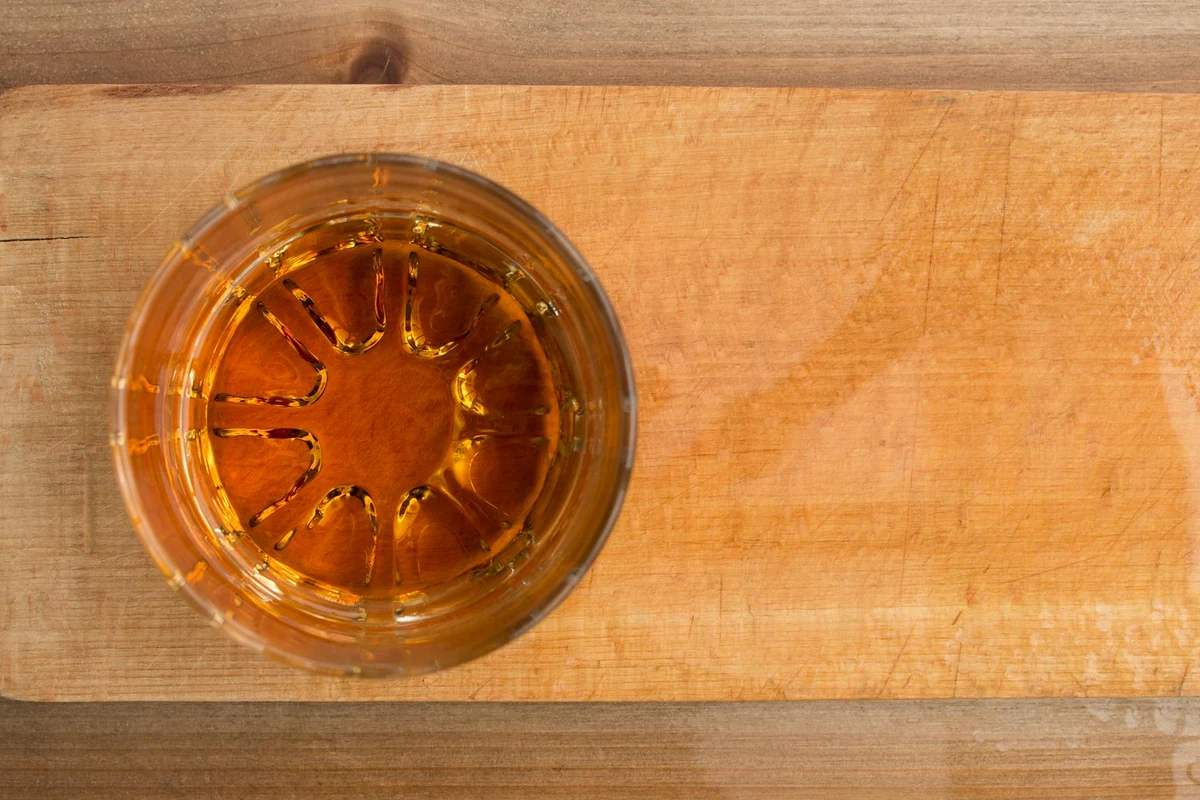
Start by looking at the whiskey. Notice the color, the clarity, and the way it moves in the glass. Those slow trails running down the inside are often called legs, and they can offer clues about texture and alcohol strength.
Next comes the nose. Swirl gently, then bring the glass near your face and take short, careful sniffs. Deep inhales can overwhelm your senses. Instead, try to identify layers: fruit, vanilla, spice, oak, smoke, grain, or something floral. Whiskey often reveals different aromas over time, so patience matters.
Then take a small sip and let it coat your mouth. Pay attention to the first impression, the middle, and the texture. Is it silky, oily, creamy, lean, or fiery? After swallowing, note the finish. Some whiskeys fade quickly; others linger with warmth, spice, sweetness, or smoke.
Neat, With Water, or Over Ice?
There is no single correct way to enjoy whiskey, but different serving methods change the experience.
Drinking it neat is the purest approach. At room temperature, nothing gets in the way of the spirit’s natural balance. This is often the best method when you want to understand a whiskey on its own terms.
Adding a few drops of water can be surprisingly useful. A little room-temperature, non-chlorinated water may soften the alcohol heat and release aromas that were hiding beneath the surface. The goal is not to dilute the whiskey into submission, but to open it up.
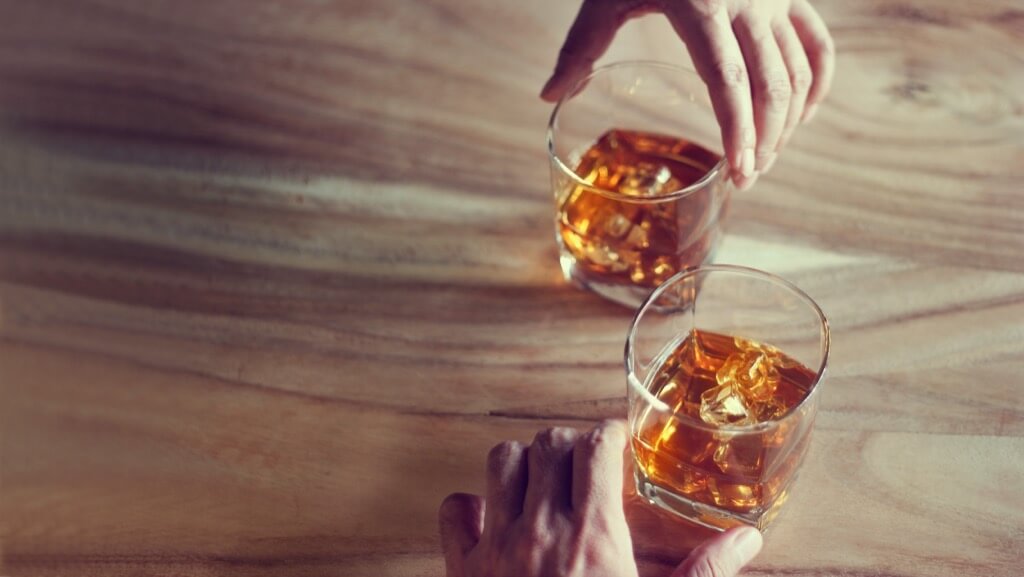
Serving whiskey on the rocks is popular for a reason. Ice chills the drink, which many people find refreshing. The tradeoff is that cold temperatures can mute aroma and flavor. If you enjoy whiskey over ice, larger cubes are better because they melt more slowly and reduce dilution.
What Makes Whiskey So Compelling
Part of whiskey’s appeal is that it can meet people at different levels. A newcomer may simply enjoy a sweet bourbon or a smooth Irish whiskey. A long-time enthusiast may chase subtle differences between cask types, yeast strains, or regional styles. Both approaches are valid. Whiskey is one of those rare spirits that remains approachable even as it becomes more intricate the longer you pay attention.
That complexity comes from its ingredients, but also from its history. Every glass carries the influence of the grain in the mash, the water used in production, the decisions made during distillation, and the slow work of oak over months or years. When you taste whiskey thoughtfully, you are tasting a spirit that has traveled a long path from raw grain to finished pour.
The more you explore, the more whiskey rewards you. Its world is broad enough for casual enjoyment and deep enough for serious study, which is why it continues to inspire festivals, collectors, distillers, bartenders, and curious drinkers everywhere. If you are just beginning, start with a style that sounds inviting and learn by tasting. If you already know your way around a bottle, keep looking for new expressions and new stories. Whiskey always has another layer to offer.